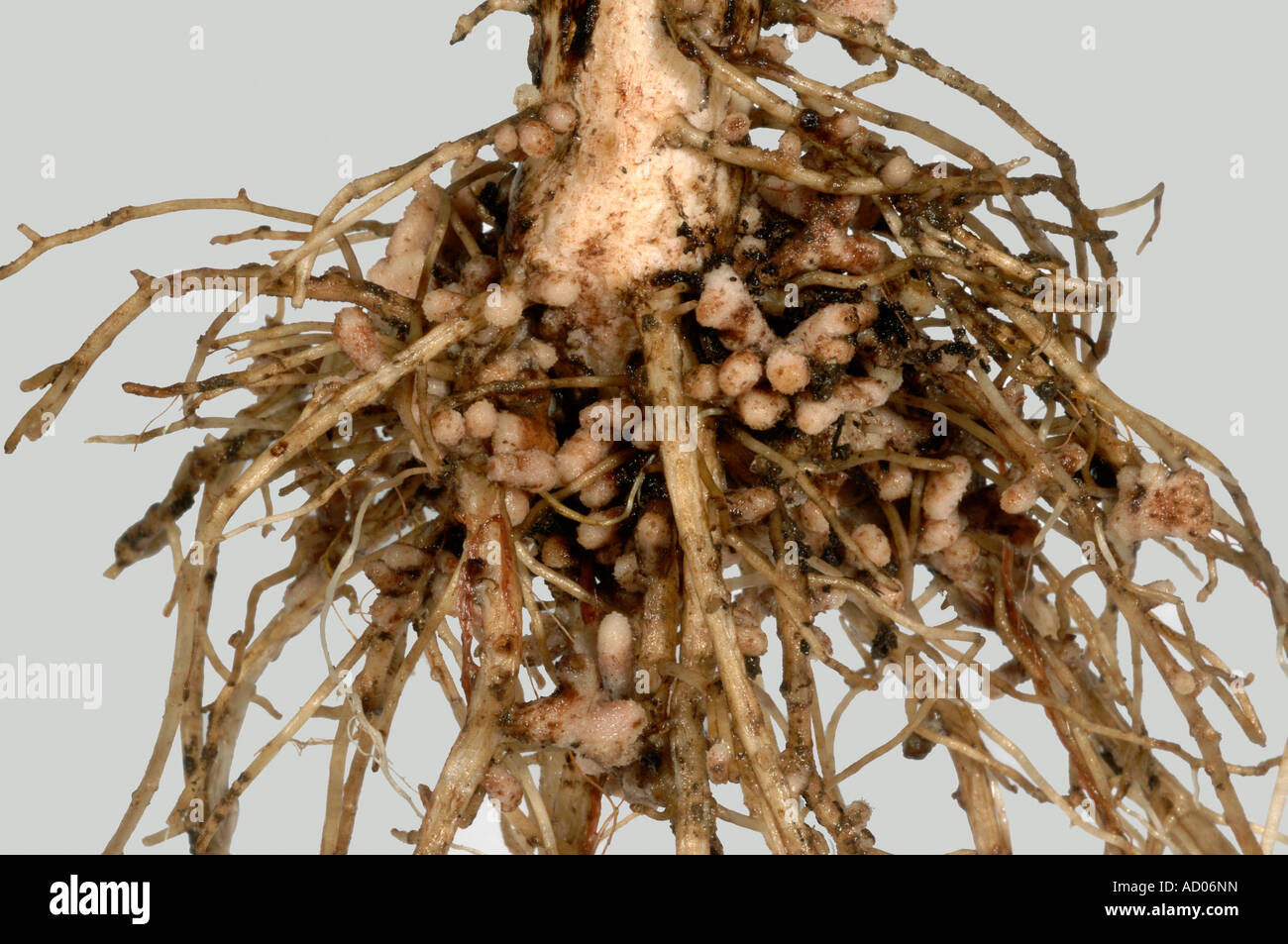
Sunday, March 31, 2019

Phenolic Compounds and Insect Herbivory

TL;DR

Plants have different strategies to deal with insect herbivores; some use chemical defenses to ward them off. Phenolic compounds are understood as a good way to measure plant response to herbivory by the scientific community. However, they have their limitations. Studies show that different insect herbivores elicit different reactions in plants in terms of phenolic compounds and that phenolic compound use depends on a plant's environment. Phenolic compound concentration can be explained by the Resource Availability Hypothesis in addition to use in deterring insect herbivores. Despite their limitations and context-dependence, phenolic compounds are consistently used to protect plants from insect herbivores.

Introduction

Plants have a lot of things going against them: they can't move, they start out very small, and lots of things are out to get them, or, eat them. Plants make up the base of the food chain and it's easy to see why: they're everywhere, they won't run away, and they're pretty nutritious and delicious too. Just about everything we eat comes from plants or something that eats them. But we aren't the only things out there eating plants, one group of creatures particularly enjoys snacking on plants, and these guys have quite made quite a name for themselves!

Insects.
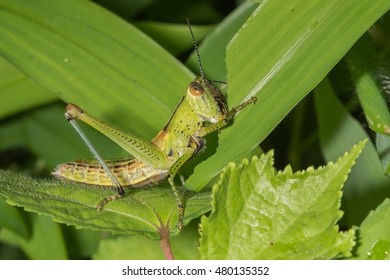
Image result for grasshopper eating stock image
Insects are an especially successful group of organisms due to their ability to fly nearly anywhere they want and have several generations of offspring in a short time. Not only that, but they are very efficient reproducers, and insects are one of the most abundant groups of organisms to reflect this. This strategy results in the introduction of an incomprehensible number of insects that all need something to eat, and a lot of them turn to plants because they're nutritious enough and pretty easy targets to boot.

Or so they think.

Plants have been eaten at since they'be been growing in the ground, and they've developed some pretty potent strategies themselves for dealing with the insects that would otherwise limit their survival. This phenomenon of insects eating plant tissue is something scientists call herbivory, and this isn't the last time we'll see this word throughout this post! Plants and insects are perfectly capable of coexisting, in fact, the feeding damage of insects can stimulate the growth of many plants (Schuldt et al. 2015), but once insect plant-eaters cross a threshold of being too harmful to their host plants, they start to focus on developing countermeasures. One such countermeasure many plants use to ward off the insects that would eat them is a group of chemicals called phenolic compounds. As we've discussed in previous blog posts, phenolic compounds have a variety of uses for plants, including structural support, chemical defenses, and attracting beneficial microorganisms. While the first and last are also very important to plants, insects are most concerned about the chemical-defense application of phenolics.

One would expect that what is basically plant-made insecticide would deter insect herbivores, and that's pretty much what scientists expect too (Moreira et al. 2019). Several studies use phenolic compound concentration as a measure of how stressed a plant is or how responsive it is to threats (Salminen, Karonen. 2011), demonstrating just how established a reputation phenolic compounds have on the scientific community. However, one study recently rocked the boat in concluding that phenolic concentrations are essentially overstated in quantifying plant responses to insect damage and that other plant reactions to herbivory such as overcompensation (plants growing faster when they are damaged) and differences in nutritional quality should be evaluated instead (Moiera et al. 2018). On paper, this conclusion opposes the established importance of phenolic compounds, but, to have a proper perspective, we need to delve into the scientific community.

Research Analysis

Despite the variety of emerging research into plant defenses, there are existing scientific assumptions about them and how they operate. One of these is the Resource Availability Hypothesis, which proposes that plants that grow in nutrient-limited conditions grow slower and allocate more resources to defense than those that are less limited by nutrients (Coley, 1985). This explanation is pretty intuitive, as plants that don't have as many resources aren't as able to recover from potential herbivory than plants who can afford to overcompensate for tissue loss. The Resource Availability Hypothesis is an idea that has been repeatedly challenged throughout its existence, and several studies reference it, especially in reference to phenolic compounds.

Insects aren't the only things out there that would influence phenolic production either. In the last blog post, we discussed plant-plant interactions and how this relationship affects phenolic compound production. If insects can be said to sabotage their host plants, they might be comparable to weeds, which are known to stimulate phenolic production as they attempt to outcompete other plants, a phenomenon called allelopathy (Cheng & Cheng, 2015), reinforcing the impact of plant community composition on phenolic compounds (Mraja et al. 2011). Because insect herbivores cause direct damage to plants, it's even easier to assume that plants are going to demonstrate a response for them than for weeds as well.

A study conducted by Rosado et al. wanted to test how the responses in plants elicited by different insect herbivores differed under varying conditions of plant diversity, as in if a community of several species of plants responded differently to insect feeding. These scientists reared beetle larva and caterpillars to compare the differences between four possible scenarios: beetles feeding on one species of plant, beetles feeding on a community of plants, caterpillars feeding on one species of plant, and caterpillars feeding on a community of plants. Several measurements of the plants were taken after the experiment to evaluate the impact these herbivores had on the plants and were then compared.


The table above (Rosado et al. 2018) displays degrees of freedom, F values, and p values of a set of relationships between community plant diversity, beetle damage, and caterpillar damage on four plant traits: total phenolics, condensed tannins (a type of phenolic compound found in plant leaves), trichomes, specific leaf area, and growth rate. There were significant relationships between beetle damage and total phenolics, beetle damage and condensed tannins, and plant community diversity and specific leaf area. These results suggest that while beetle damage significantly increases total phenolics and condensed tannins in plants, caterpillar damage lacks this association. These scientists speculate that life-cycle characteristics including dispersal behavior and pheromone-related aggregation contribute to this disparity in phenolic concentrations. In terms of what we're addressing in this blog post, different insect herbivores cause different responses in the plants they feed on, and we're still speculating on the mechanisms that contribute to this.

Another group of scientists studied how latitude (particularly in the northern hemisphere) affects several plant traits, including the concentation of phenolic compounds. Moreira et al. studied 38 sites with populations of English oak across a latitudinal gradient in Europe and measured these traits between late August and early October, between the end of the growing season and leaf senescence (when the leaves fall off the trees). Plant material from the oaks sampled across this gradient was processed to quantify these plant traits. It is notable that these scientists were explicitly interested in phenolic compounds as a measure of plant responses to herbivory, supporting possible preconceptions about phenolics made earlier in this post!


The figure above (Moreira et al. 2018) displays the relationship between latitude and a variety of plant traits, including nutrition and measures of chemical defenses, including phenolic compounds such as tannins and flavonoids as a linear regression. R2 and p-values are also displayed, which explain how much variation the model explains and the likelihood that there is an association between these two variables, respectively. While there are several significant relationships between these plant traits and latitude, the relationship between total phenolic compounds and its constituents (flavonoids and condensed tannins) is particularly strong, with rather high R2 values for the condensed tannins and total phenolics models. This means that as latitude increases (the more north), the more overall phenolics will be present in oaks. This is an unexpected conclusion that has some pretty interesting connotations!

Implications and Theory

The relationship between herbivory and phenolic compounds seems simple on an intuitive level, but, as these studies demonstrate, it's actually pretty complicated and we don't understand a lot yet. While phenolic compounds do generally act as insect deterrents, their effects vary between herbivores (Rosado et al. 2018) and likely between plants too. Given how interconnected these systems are, every interaction between insects and plants is probably unique in some way, and that's super frustrating for scientists to admit since we like to look for general explanations for what we study. It's important to distinguish that there are patterns in nature that have value, but scientists should be careful not to oversell these as we could with phenolics when there are other important factors at play.

The latitude study conducted by Moreira's team has two important conclusions that can be made from it, in that it supports the Resource Availability Hypothesis while dispelling some preconceived notions about latitude and the chemical defenses of plants. This study found that as latitude increases, the concentration of phenolic compounds also increases, which, if thinking about high concentrations of phenolic compounds as a response to herbivory (a connection that is easy to assume), frankly makes no sense. Because biodiversity and organism abundance are understood to increase closer to the equator, one would expect there to be more herbivory further south, and therefore higher concentrations of phenolic compounds to ward off herbivores. However, the Resource Availability Hypothesis offers an explanation that is consistent with these results:

When the going gets tough, get tougher.
Image result for oak tree stock image perspective

While plants growing at latitudes close to the equator have more herbivores to address, they also have more optimal growing time, temperature, and precipitation. Plants at higher latitudes lack these resources, so they have to change their strategy. They need to hunker down and make the most of what little they have, and that often means beefing up their chemical defenses to compensate for their inability to bounce back from potential herbivory. This is in contrast with plants closer to the equator, as they have more resources with which they're more able to recover from insect feeding with strategies like overcompensation.

Conclusion

Phenolic compounds have a unique relationship with insect herbivores: they generally are used to ward them off but can have different reactions depending on the insect that feeds on their plants. These compounds are also affected by the environment to an extent, with latitudes farther away from the equator being associated with higher concentrations. While general statements about phenolic compounds and their properties (namely their ability to deter potential herbivores) still stand, it is important to acknowledge the limitations of generalizing them. There are obvious gaps in research surrounding phenolic compounds that should be addressed, especially in profiling their relationships with different groups of herbivores and in their associations with plant phenology and morphology.

References

Cheng, Z.H. Cheng. Research progress on the use of plant allelopathy in agriculture and the physiological and ecological mechanisms of allelopathy. Frontiers in Plant Science, 6 (2015), p. 1020

Coley P. D. et al. 1985. Resource availability and plant antiherbivore defense. – Science 230: 895–899.

Moreira .et al. 2018. Latitudinal variation in plant chemical defenses drives latitudinal patterns of leaf herbivory. – Ecography 41: 1124–1134.

Moreira, X., Abdala, R. L., Berny Mier y Teran, J. C., Covelo, F., de la Mata, R., Francisco, M., … Tack, A. J. M. (2019). Impacts of urbanization on insect herbivory and plant defences in oak trees. Oikos, 128(1), 113–123.

Mraja, A., Unsicker, S., Reichelt, M., Gershenzon, J. & Roscher, C. (2011) Plant community diversity influences allocation to direct chemical defence in Plantago lanceolata. PLoS One, 6, e28055.

Rosado, S. S., Parra, T. V., Betancur, A. D., Moreira, X., & Abdala, R. L. (2018). Effects of tree species diversity on insect herbivory and leaf defences in Cordia dodecandra. Ecological Entomology, 43(6), 703–711.

Schuldt, A., Bruelheide, H., Härdtle, W., Assmann, T., Li, Y., Ma, K. et al. (2015) Early positive effects of tree species richness on herbivory in a large‐scale forest biodiversity experiment influence tree growth. The Journal of Ecology, 103, 563–571.

Salminen J.‐P. Karonen M. 2011. Chemical ecology of tannins and other phenolics: we need a change in approach. – Funct. Ecol. 25: 325–338.



Sunday, February 24, 2019

Allelopathy and Competition Between Plants

Introduction

As oxygen-breathing, food-eating critters, it's safe to say that humans depend on plants for staying alive. But, there's one large and growing group of leafy things that we simply can't stand.


Weeds.
Image result for weeds stock image

Ever since we've been sowing seeds and growing greens there have been unsightly and unwanted plants popping up in our gardens. Despite our best efforts to pull them up, chop them to bits, or hose them down with chemicals, they've not only remained but have flourished ever since. It's easy to recognize why we aren't fans of weeds, they steal important nutrients from the plants we rear as they invade their space. This phenomenon--one plant taking nutrients that another plant is using-- is something ecologists call "exploitative competition," and it's a pretty intuitive explanation as to why we think weeds are bad.

But there's more to those tricky little weeds.

Nature isn't above playing dirty, and there are several weeds that are just as dirty cheaters. Vulpia myuros, a species of invasive grass, pumps chemicals into the soils it grows (An et al., 2000). These chemicals aren't just some benign plant product we can write off, they have an insidious effect on this grass's neighbors. 

This grass is salting its own earth. 

V. myuros has evolved to make its own phytotoxin, or plant poison, to sabotage the competition. Much like the allegation of Tonya Harding hiring someone to break the leg of a rival ice skater, this grass uses what ecologists call "interference competition, where a plant going out of its way to keep competing plants from using its resources (Weston & Duke, 2003). One might think that the plant would succumb to its own poison, but this plant and other individuals of its species have evolved to be resistant. The idea is that after generations of V. myuros have lived and died in a particular location, that soil will only be suitable for other V. myuros (An et al., 2000). This strategy of filling the soils with certain chemicals to alter how other plants and the microbes they associate with (Cheng & Cheng, 2015) use is called allelopathy (Li et al., 2010), and it's surprisingly common in the plant world, especially with weeds and invasives.

Referencing the Research


Last post, we discussed phenolic compounds, a broad class of chemicals synthesized by plants, and how they can be used to attract beneficial microbes and defend themselves against herbivores. Phenolic compounds also contribute to a significant portion of allelopathic chemicals and have a multitude of nasty little tricks they can play on rival plants. In fact, most allelopathic compounds are actually phenolic chemicals (Li et al., 1993)! The effects of these attacks include inhibiting germination for seeds, outright reducing plant mass, and lowering growth rate, and these allelopathic phenolics are employed by even the most innocent-seeming plants (Li et al., 2010; Yu et al., 2003).

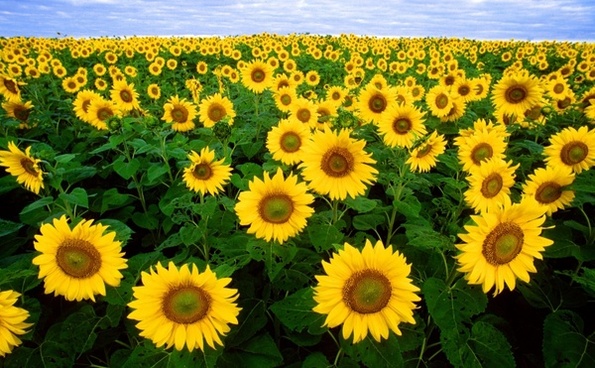
Like sunflowers!
Image result for sunflower stock image

Despite sunflowers' innocuous appearance, they are capable of some potent allelopathy and can use phenolic compounds to sabotage their local plant communities. In Pakistan, sunflowers are an important crop that used for their seeds and oils and is often grown near other staple crops such as wheat (Ghafar et al., 2000). As research developed, however, scientists began to note how sunflowers play dirty with allelopathic chemicals and wanted to see if they had an effect on wheat growth. To test this, they grew wheat plants using water treated with varying concentration of dried, crushed sunflowers.

This figure (Ghafar et al., 2000) from these researchers' study categorizes the different morphological characteristics of the wheat plants into different significance groups--so if two measurements are in the "a" group they wouldn't be significantly different, but if one was in "a" and one was in "b" there would be a statistically significant difference between those two measurements. According to this figure, germination, shoot length, and root length significantly decreased with the treatment, which in this case refers to the powdered sunflower mixed with the water the wheat plants were given. The data shown in this figure suggests that sunflowers contain allelopathic compounds that are detrimental to wheat and likely many other plants.

Another set of researchers was interested in how allelopathic compounds affected different morphological characteristics of soybeans (Patterson, 1981). Soybeans, much like wheat, is a staple crop, especially for animal and food industries and by answering which compounds affect it the most negatively, scientists can determine what sort of weed control is necessary! These researchers evaluated which allelopathic compounds affected soybean morphology in nearly the same way as the previously referenced study--in that they exposed plants to varying concentrations of allelopathic solutions.

This figure (Patterson, 1981) displays how 10 different treatments affected total dry weight, leaf area, plant height, and leaves present of soybeans. In the same way as the last figure, the letters beside each value determine significance categories. While some allelopathic compounds were more potent than others in negatively impacting these soybean traits, some numbers here particularly stand out. Regardless of the allelopathic chemical tested, low concentrations of treatment had little effect on plant morphology, but higher concentrations had varying effects, such as the effect of the higher-concentration treatments of vanillic acid and coumaric acid, whose soybeans had nearly half the total dry weight of the control. While moderate levels of allelopathic compounds seem to be tolerable by soybeans, environments rife with plant chemical warfare aren't conducive to soybean growth.

Implications and Theory

These studies demonstrate just how important allelopathy, and consequently, phenolic compounds, are to plant growth and diversity, especially in an agricultural setting. Because producers want to optimize the growth of their crops, allelopathic relationships between crops, weeds, and even other crops should be considered before planting and in weed control. Taking this in stride, humans have devised an ingenious approach to manipulating allelopathy in agriculture that you're probably familiar with:

Naturally allelopathic plants!

Many plants, such as rice, naturally produce chemicals that can be used to suppress neighboring weeds, which they can produce through their roots and through their litter (Weston & Duke, 2003). This allelopathic property might be used to explain the viability of certain crops and why we decided to domesticate them anyway. For instance, if rice didn't naturally fend off weeds, would ancient people have bothered to cultivate it at all?

While we haven't known about allelopathy for very long and scientists are still trying to understand the mechanisms and evolutionary implications behind it, it's easy to say that there's an evolutionary basis for it. It makes sense for plants to want to do whatever they can to nab the resources they can, and passively producing allelopathic chemicals to inhibit the growth of other species is a strong way to pave the success of individuals and species groups.

Another point to make is that allelopathy, to an extent, could be present in species that aren't harmed as much by intraspecific competition, competition between individuals of the same species, than interspecific competition, or competition between individuals of different species. This would make sense for communities that are limited in their ability to reproduce, as close-knit populations of plants could benefit from allelopathy to ensure that they're able to bear viable offspring.

Conclusion

As human populations rise, we're going to increasingly depend on controlling our environment to support ourselves. By studying and manipulating the allelopathy of crops and the weeds that plague them, we can learn how to best propagate the plants that we depend on while excluding the ones that we'd rather not have to deal with. Implementing optimal growth periods will depend on both farmers and scientists collaborating by sharing knowledge of allelopathic relationships and considering the evolutionary development and resource acquisition strategies of the plants common (introduced and invasive) in agricultural environments.

TL;DR

Plants engage in allelopathy, a form of interference competition wherein they produce chemicals (mostly phenolic compounds) that are dispersed into the soil, to sabotage rivals in their nutrient uptake. Allelopathy is present in many plants, including crops and the weeds that compete with them, and can affect plants in several forms, including reducing biomass and growth rate. Allelopathy can be explained evolutionarily and likely has evolutionary limitations. Humans have likely exploited allelopathy since the domestication of plants and continue to use it for agriculture as agricultural demand increases.

References:

An, M., Haig, T., and Pratley, J. E. 2000b. Phytotoxicity of vulpia  residues.  II.  Separation,  identification,  and quantitation  of  allelochemicals  from  Vulpia  myuros. J.Chem. Ecol.26, 1465–1476.

Cheng, Z.H. Cheng. Research progress on the use of plant allelopathy in agriculture and the physiological and ecological mechanisms of allelopathy. Frontiers in Plant Science, 6 (2015), p. 1020

Ghafar, A.; Saleem, B.; Qureshi, M.J. Allelopathic effects of sunflower on germination and seedling growth of wheat. Pak. Pak. J. Biol. Sci. 2000, 3, 1301–1302.

Li, H.H.; Inoue, M.; Nishimura, H; Mizutani, J.; Tsuzuki, E. Interaction of trans-cinnamic acid, its related phenolic allelochemicals, and abscisic-acid in seedling growth and seed-germination of lettuce. J. Chem. Ecol. 1993, 19, 1775–1787.

Li, Z. H., Wang, Q., Ruan, X., Pan, C. D., and Jiang, D. A. (2010). Phenolics and plant allelopathy. Molecules 15, 8933–8952.

Patterson, D.T. Effects of allelopathic chemicals on growth and physiological response of soybean(Glycine max). Weed Sci. 1981, 29, 53–58.

Leslie A. Weston & Stephen O. Duke (2003) Weed and Crop Allelopathy, Critical Reviews in Plant Sciences, 22:3-4, 367-389,

Yu, J.Q.; Ye, S.F.; Zhang, M.F.; Hu, W.H. Effects of root exudates and aqueous root extracts of cucumber (Cucumis sativus) and allelochemicals, on photosynthesis and antioxidant enzymes in cucumber. Biochem. Syst. Ecol. 2003, 31, 129–139.


Sunday, January 27, 2019

Plant Phenolics vs. Our Changing World


Image result for smokestack trees

The world’s getting warmer and more filled with carbon dioxide as all our natural storage of
carbon is being lit up and dispersed in our atmosphere along with all the other junk we’ve
been pumping into it for the last hundred years or so. Things are definitely changing, and not
just for us! Plants are everywhere and definitely contribute to keeping us alive with their nifty
ability to produce oxygen, food, and carbon storage. These plants depend on a stable,
suitable environment for them to grow and reproduce, and if their habitats are changing
across the globe, we should probably be worried. While we’re bracing ourselves for the
extinction of species, flooding of our coasts, and other symptoms of the incoming
anthropogenic apocalypse, ecologists are wondering how phenolic compounds are affected
by rising CO2 and temperature levels! Neat! Wait, what? Why?


What even are phenolic compounds?

Phenolic compounds are a broad group of carbon-based byproducts of certain
photosynthetic pathways that are used in plant defense, structure, communication between
plants, and attractingsbeneficial microbiota. Still confused, I don’t blame you one bit! They’re produced
during everyday life for plants, but especially when life gets rough. Studies have shown that when
plants are stressed they sacrifice periods of growth for producing lots of these phenolics, which are
used to toughen themselves up so they stay strong and unappealing to potential herbivores
(Johnson et al. 2018, Zvereva et al., 2006). Phenolics are also neat in that some of them can attract
beneficial microorganisms such as Rhizobium and Agrobacteria when they’re released into the soil
(Battacharya et al. 2010). That way they can help themselves out by calling their friends who give
them nutrients! Like these Rhizobia!

Image result for rhizobium roots


Why should we care about phenolics? They don’t really sound like they help us out much.


Well, they do in small quantities--they probably can impede cancer development to an extent and are
common in the plant-based foods we eat (Stich H. F., 1991), but this isn’t really why scientists are
interested in them. You see, they’re more interested in how they benefit the plant and why a plant
might produce them. We touched on this earlier but it has a lot to do with plant stress. These
compounds are particularly useful to plants when they’re being eaten, and plants can even recognize
when they’re being attacked and synthesize these in self-defense! (Battacharya et al. 2010). The idea
is that if plants are producing these, they aren’t producing as many carbon-based compounds to help
them grow. Scientists have linked increased phenolics to the decreased growth rate in plants,
suggesting a survival trade-off (Johnson et al. 2018). By keeping an eye on the concentration of
phenolic compounds, scientists can sort of quantify plant stress, and that can be an important variable
to measure in experiments because of the implications it might have on environmental suitability for
the plants that live there.


To recap, plants produce phenolic compounds for a lot of reasons, but mainly for self-preservation in
the face of danger and scientists can analyze them to see how stressed plants are in their
environments.


These scientists looking at phenolic concentrations tend to be asking the same question: how does the
concentration of phenolic compounds change with increasing carbon dioxide and temperature?


By artificially increasing temperature and carbon dioxide, scientists can simulate the conditions of the
future, as these factors are very likely to increase in the near future due to human activity. So that’s
what scientists did! That’s what a lot of scientists did. Not just to look at phenolic concentration, but
several other factors that might be influenced by CO2 and temperature increases like growth rate,
leaf size, and other plant morphological traits. Hundreds of studies like this analyzing several species
of plants have been conducted throughout recent years, and along the way, have been compiled by
other scientists into meta-analyses. These meta-analyses look at all the data studies like this have
collected into one place and draw their own conclusions. What these scientists have learned will
shock you (maybe)!


Generally speaking, these meta-analyses have recognized common trends among phenolic
concentration in elevated carbon dioxide and temperature.

1.) Phenolic concentration increases with increasing carbon dioxide (Bezemer et al., 1998; Johnson et al., 2018; Zvereva et al., 2006)

2.) Phenolic concentration decreases with decreasing temperature (Lemoine et al., 2017)
3.) Increasing temperature and carbon dioxide cancel each other out with regard to phenolic
concentration (Veteli et al., 2007, Zvereva et al., 2006)


The first trend was actually hypothesized in the ‘80s in the Carbon/Nutrient-Balance Hypothesis, which
proposes that when plants have access to more CO2, they’re able to synthesize more secondary
compounds like phenolics. (Bryant et al., 1983) While this hypothesis was proven to be false for most
other secondary compounds, it actually held true for phenolics in a recent meta-analysis! (Robinson
et al., 2012) The other two trends are only fairly recently observed but present interesting implications
given the additive effect between temperature and CO2 with regard to phenolic concentration.


Here are a couple of figures that help explain the results!


This figure from Zvereva et al. 2006 demonstrates these principles firsthand, as elevated CO2 has a
positive impact on phenolics, elevated temperature has a negative impact on phenolics, and both of
them elevated together is slightly positive, suggesting an additive effect. It should be noted that these
only pertain to green tissues, although plants may be concentrating phenolics in these because they
are more susceptible to herbivory.


This figure from Robinson et al. 2012 examines the displays several plant responses to elevated CO2.
Among several other functional traits, it appears that total phenolics increase with rising CO2,
supporting the first trend listed! This meta-analysis actually referenced the one from the previous
figure (Zvereva et al. 2006), and the blue dots represent results that are similar to those found in their
meta-analysis (Robinson et al. 2012). Another aspect of this figure we’ll come back to later is the fact
that nitrogen levels expressed in plants decrease across the board with rising CO2.


We know that phenolic concentrations are influenced by temperature and carbon dioxide, so what?


These results basically mean that plants will invest more energy into these phenolics, but at this point,
we can’t say for sure whether this means plants are stressed or that increased carbon allows them to
synthesize more of these. If plants make a trade-off between growth and phenolic concentrations as
Johnson et al. (2018) suggest, it can be inferred that plants are increasingly favoring bunkering down
and slowing down their growth rates as a survival strategy over, say, banking everything into growing
like mad. I mean I don’t blame them, playing it safe is probably more likely to provide benefits in the
long run while minimizing the risk of croaking early.


What does this mean in terms of plant defense?


As CO2 concentrations and temperature increase in the near future, plants are more likely to invest
into phenolics maybe at the cost of growth. An increase of phenolic concentrations in plant tissues
combined with lowered nitrogen values as suggested by Robinson et al. (2012) ultimately lead to a
decreased palatability of plants to the organisms that consume them. This is because of the toxicity
of phenolic compounds to most organisms (Battacharya et al. 2010) in addition to how nitrogen tends
to be a limiting growth factor for most herbivores, especially insects (Zvereva et al. 2006). Because
plants are becoming less nutritious for herbivores, you might think this is good news for plants, but
you’d be wrong!


Because these herbivores need to eat more than they would to satisfy their nutritional requirements!


It’s not like the herbivores really benefit all that much from this arrangement though, reducing the
quality of their food is associated with a loss in fitness (Zvereva et al. 2006). If the increasing
concentration of phenolic compounds is linked with decreased growth rates in the plants that produce
them, elevated CO2 concentrations create a lose-lose situation for both the plants and the herbivores
that eat them. While this shift in resources might open some opportunities for new organismal niches
in a few circumstances, this is generally bad news for ecosystem productivity. While temperature
seems to limit phenolic concentrations, this might not be able to compensate for the reduced nitrogen
concentrations in plants to the herbivores that consume them.


So, what’s next?


In my opinion, more research should be done to confirm or dispel a link between growth rate and
phenolic concentrations in plants and the effect of temperature on nitrogen concentrations in the
environment. Otherwise, society should do what it can to limit its release of CO2 into the atmosphere.
I can’t promise whether the outcome for plants and the world that depends on them will be good or
not but I feel like this is a problem worth digging deeper on!

-


TL;DR: Carbon dioxide and temperature are increasing throughout the world. Phenolics are
compounds that help plants out, particularly when they’re stressed by herbivory. Studies show that
phenolic concentrations increase with increasing CO2 but decrease with temperature. Increasing
phenolic concentrations in tandem with decreased nitrogen in plants also due to climate change could
be bad news for ecosystems. To fix this we need to better understand the relationship between
phenolics and growth rate and temperature and nitrogen concentrations.

-

References:

Johnson, S. N., & Hartley, S. E. (2018). Elevated carbon dioxide and warming impact silicon and phenolic‐based defences differently in native and exotic grasses. Global Change Biology, 24(9), 3886–3896.

Bezemer, T. M. and Jones, T. H. 1998. Plant–insect herbivore interactions in elevated atmospheric CO2: quantitative analyses and guild effects. Oikos 82:212–222.

Bryant JP, Chapin FS III, Klein DR. 1983. Carbon/nutrient balance of boreal plants in relation to vertebrate herbivory. Oikos 40: 357–368.

Zvereva, E. L., and M. V. Kozlov. 2006. Consequences of simultaneous elevation of carbon dioxide and temperature for plant‐herbivore interactions: A metaanalysis. Global Change Biology 12:27–41.

Lemoine, N. P., Doublet, D., Salminen, J.-P., Burkepile, D. E., and Parker, J. D. (2017). Responses of plant phenology, growth, defense, and reproduction to interactive effects of warming and insect herbivory. Ecology 98, 1817–1828.

Bhattacharya A, Sood P, Citovsky V. The roles of plant phenolics in defence and communication during Agrobacterium and Rhizobium infection. Mol Plant Pathol 2010; 11:705–19.

Veteli TO, Kuokkanen K, Julkunen‐Tiitto R et al. (2002) Effects of elevated CO2 and temperature on plant growth and herbivore defensive chemistry. Global Change Biology, 8, 1240–1252.

Stich, H. F. The Beneficial and Hazardous Effects of Simple Phenolic Compounds Mutat. Res., Genet. Toxicol. 1991, 259, 307– 324 DOI: 10.1016/0165-1218(91)90125-6